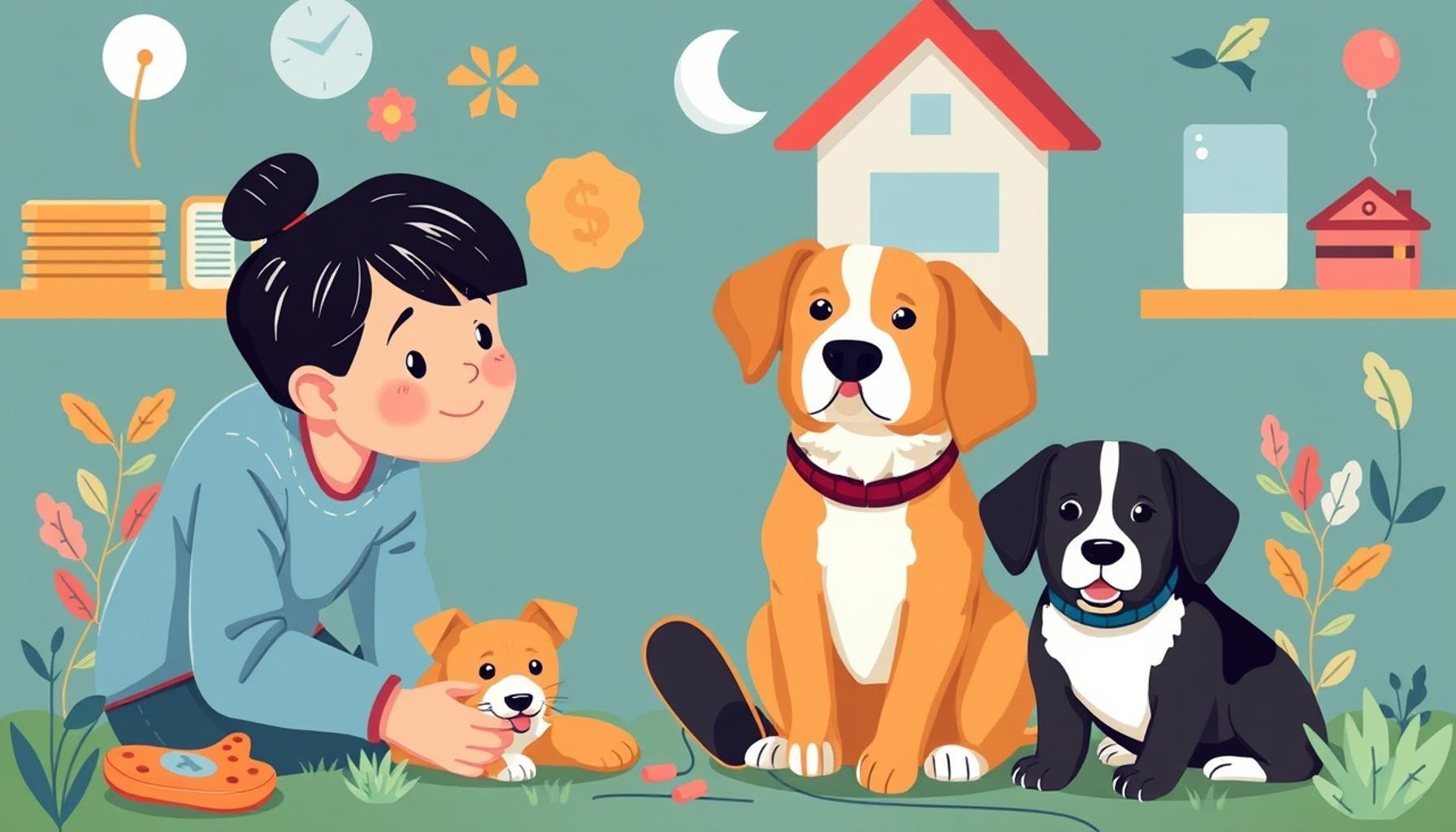
The Importance of Nonverbal Communication in Animal Behavior Training
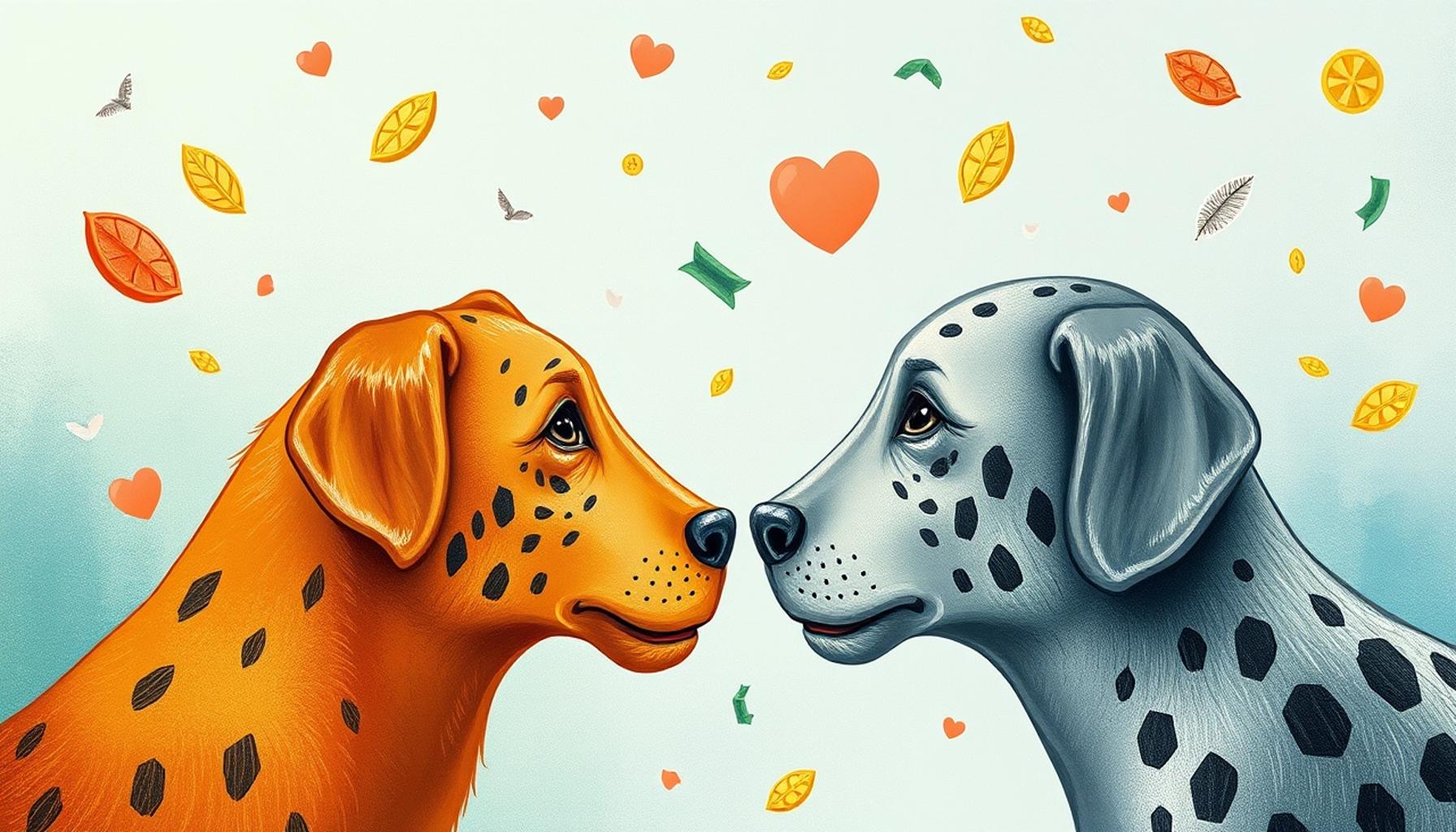
Understanding Nonverbal Cues
In animal behavior training, communication goes significantly beyond the spoken word. A considerable portion of effective training hinges on nonverbal cues, which can profoundly shape the relationship between trainers and their animals. By learning to recognize and interpret these signals, trainers can foster trust and enhance overall understanding.
Key Elements of Nonverbal Communication
- Body Language: Animals express their emotions through various postures and movements. For example, a dog standing tall with an erect neck may display confidence, whereas a cat with its ears pinned back might signal discomfort or fear.
- Facial Expressions: The face of an animal can reveal a wealth of information. Subtle changes, such as a dog’s slight lip curl, can indicate aggression, while a relaxed face may demonstrate comfort. Cats, too, communicate through their facial expressions—an open mouth and dilated pupils can signal stress or excitement.
- Eye Contact: The nature of eye contact can speak volumes. Direct eye contact with a dog may create a sense of bonding and trust; however, it can also provoke anxiety if the animal perceives it as a threat. In contrast, an averted gaze often signals submission and avoidance.
- Touch: Physical interaction can be a powerful tool in training. Gentle petting or supportive contact during challenging tasks can reinforce learning and provide an animal with the reassurance it needs to feel secure in its environment.
As trainers delve into these elements, the potential for successful interactions escalates. For instance, recognizing a dog’s wagging tail can indicate enthusiasm or readiness, while a cat’s slow blink might be a sign of affection and trust, inviting further engagement.
Why It Matters
The significance of nonverbal communication cannot be overstated; it plays a crucial role in establishing a productive training atmosphere. A nuanced understanding of nonverbal cues can:
- Enhance the effectiveness of training methods: By adapting to an animal’s cues, trainers can tailor their approach to better suit individual needs, leading to improved learning outcomes.
- Reduce stress for both animals and trainers: A sensitive approach that acknowledges an animal’s feelings can foster a calmer environment, making training sessions more enjoyable.
- Promote a better understanding of animal needs: Animals cannot articulate their feelings verbally; thus, the ability to interpret their nonverbal signals allows trainers to address discomfort and enhance their well-being.
Ultimately, mastering nonverbal communication not only enriches the training experience but also builds a deeper connection between humans and animals. Ignoring these crucial cues can lead to miscommunication, stunted learning, and even behavioral issues, underscoring the importance of awareness in the training process. As trainers seek to navigate the intricate world of animal behavior, the emphasis on understanding nonverbal cues serves as a guiding principle towards success.
DISCOVER MORE: Click here for essential pet care tips
The Role of Nonverbal Communication in Trainer-Animal Dynamics
In the intricate dance of animal behavior training, nonverbal communication manifests itself as the silent yet powerful language that bonds trainers and their animals. Understanding this form of communication is essential for those who wish to cultivate meaningful relationships with their animal companions. Each gesture, posture, and expression conveys emotions and intentions, often more clearly than words ever could. This makes it imperative for trainers to hone in on these nonverbal signals to optimize their training techniques.
The Impact of Nonverbal Signals on Learning
Training an animal requires an intricate balance of feedback and responsiveness. Nonverbal communication serves as a foundation upon which successful training rests. Here are several critical aspects of how nonverbal signals can enhance learning:
- Immediate Feedback: Animals, particularly dogs and horses, learn through immediate reinforcement. When trainers use body language effectively—such as leaning in to show interest or using a relaxed posture—they provide cues that an animal can quickly interpret. This immediacy helps solidify the connection between behavior and desired outcomes.
- Contextual Understanding: As trainers employ nonverbal signals, animals begin to associate specific actions or postures with particular tasks or commands. For example, a dog may learn to sit upon observing a trainer bend down with an open hand, which might evoke memories of receiving treats. This understanding expands the animal’s ability to anticipate and respond appropriately to training requests.
- Emotional Resonance: The ability of trainers to convey calm and confident body language can help alleviate anxiety in nervous animals. For instance, a tense stance can add to an animal’s unease, while a relaxed, open demeanor can encourage them to engage positively. This emotional empathy creates an environment conducive to learning.
Research indicates that nonverbal communication significantly impacts the efficacy of animal behavior training. In one study, dogs trained using nonverbal cues responded with a higher success rate compared to those trained solely through verbal commands. The study highlights that dogs are adept at reading human body language and are more likely to perform desired behaviors when the trainer’s nonverbal communication is clear and consistent.
Barriers to Effective Nonverbal Communication
While trainers may be eager to connect with their animals, various barriers can hinder effective nonverbal communication. These obstacles can include:
- Environmental Distractions: Loud noises, unfamiliar scents, or other animals can divert attention, making it challenging for animals to focus on the trainer’s cues.
- Handler Stress: A trainer’s anxiety can unintentionally transfer to the animal. Nervous energy can manifest in tense body language, leading to confusion in the animal.
- Lack of Consistency: Inconsistent signals can confuse animals, rendering training efforts ineffective. Trainers must strive to maintain steady nonverbal cues to reinforce learning.
Addressing these barriers and focusing on improving nonverbal communication skills can lead to groundbreaking advancements in training methodologies. By unlocking the secrets of body language, trainers stand to create a more enriching and effective training experience for both themselves and their animal companions.
The Importance of Nonverbal Communication in Animal Behavior Training
In the realm of animal behavior training, nonverbal communication is an essential component that can significantly influence the outcomes of training sessions. Understanding the subtle cues animals express through body language and facial expressions is crucial for effective training. Just as humans convey emotions and intentions without words, animals do so through their actions, movements, and even posture.Trainers who can interpret these nonverbal signals often find increased success in shaping behaviors. For instance, a dog that lowers its ears or tucks its tail may be communicating fear or anxiety. Recognizing this early on allows trainers to adjust their approach, ensuring that the animal feels safe and is more receptive to learning. This responsiveness to an animal’s emotional state not only fosters a stronger bond between the trainer and the animal but also enhances the overall training experience.Moreover, nonverbal cues can be a remarkable tool for reinforcing desired behaviors. For example, the use of positive gestures or body language, such as leaning forward and using an enthusiastic tone, can encourage animals to engage more actively in training tasks. This method of communication transcends the limitations of verbal commands, making it particularly useful for species that may not respond well to human speech.Research indicates that animals, both domestic and wild, are adept at picking up on nonverbal cues, which can often lead to a more effective training environment. For instance, horses often respond much better to a gentle hand or a calming posture than to firm verbal commands. Similarly, cats have been shown to react positively to slow blinking, a nonverbal signal of trust. Engaging with animals through nonverbal communication not only improves training results but also underscores the importance of empathy in animal behavior. By appreciating and understanding these nonverbal interactions, trainers can create a more harmonious and trust-filled environment, ultimately leading to better behavior and happier animals. To harness the full potential of nonverbal communication in animal behavior training, trainers must continually educate themselves about the unique body language of different species. By doing so, they can refine their techniques and develop a more effective and supportive training strategy.
DIVE DEEPER: Click here to learn how to understand your dog’s body language
Enhancing Trainer Skills through Nonverbal Communication
The ability to effectively communicate nonverbally is not innate for all trainers; it is a skill that can be refined and developed over time. Proficiency in nonverbal communication has been shown to facilitate deeper connections between trainers and animals, ultimately leading to more successful training outcomes. To harness the full potential of nonverbal cues, trainers must adopt a conscious approach to their body language and interaction strategies. Here are some essential techniques and practices that enhance a trainer’s capacity to communicate nonverbally:
Observation and Self-awareness
One of the first steps towards improving nonverbal communication is to cultivate a strong sense of self-awareness. Trainers should regularly reflect on their own body language and the subtle signals they may be sending. For instance, a trainer who consistently crosses their arms may inadvertently communicate discomfort or defensiveness, which could hinder the training process. By observing themselves during practice sessions or seeking feedback from peers, trainers can identify nonverbal habits that may need adjustment.
Mirroring Technique
The mirroring technique involves subtly mimicking the body language of the animal being trained. This approach can help to build rapport and trust. For example, if a dog is sitting calmly, a trainer may adopt a similar relaxed posture to reinforce a sense of safety. Research has shown that animals can pick up on mirrored behaviors, increasing their likelihood of responding positively to commands. Trainers can practice this by observing their animal’s movements and adjusting their own posture correspondingly.
Utilizing Spatial Dynamics
Understanding personal space and spatial dynamics is crucial in nonverbal communication. Animals, like humans, have varying comfort levels with proximity. For instance, while some dogs thrive on closeness, others may feel threatened if a trainer invades their personal space too quickly. By gradually decreasing distance and respecting the animal’s comfort zone, trainers can foster a non-threatening environment conducive to learning. This tactic is particularly effective in training sessions with shy or anxious animals.
Nonverbal Cues in Multiple Species
Interestingly, nonverbal communication isn’t limited to dogs or horses; it extends to various species. For instance, birds, such as parrots, respond favorably to trainers who use exaggerated gestures and facial expressions. Studies have highlighted that birds often engage more readily with trainers who employ lively nonverbal signals. This has implications for trainers across diverse contexts, reflecting the universal importance of understanding animal-specific responses to body language.
Training Reinforcement Techniques
In addition to establishing effective communication, incorporating nonverbal reinforcement techniques can elevate training success. Use of hand signals or visual cues can serve as powerful alternatives to verbal commands, particularly for animals with hearing impairments or those that respond more favorably to visual stimuli. Optionally, these cues can be paired with rewards to strengthen their association, creating a more engaging and interactive learning experience.
By investing in these strategies, trainers not only enhance their own skills but also significantly improve their animals’ learning experiences. The continuous exploration and development of nonverbal communication methods will undoubtedly yield lasting benefits in the realm of animal behavior training, leading to enriched bonds with human companions and more confident, well-adjusted animals. Understanding the nuances of body language remains an essential component of effective training methodology, and recognizing its vital role can change the course of training trajectories across the globe.
DISCOVER MORE: Click here for essential pet care tips
Conclusion: The Significance of Nonverbal Communication in Animal Behavior Training
In summary, the role of nonverbal communication in animal behavior training cannot be overstated. As we have explored, effective nonverbal cues encompass a wide range of techniques—from self-awareness and the mirroring technique to spatial dynamics and targeted reinforcement strategies. These elements contribute significantly to building trust and understanding between the trainer and the animal, ultimately fostering a more productive training environment.
The nuances of body language and nonverbal signals can greatly enhance the learning experience for animals, enabling them to thrive under human guidance. As trainers harness the power of nonverbal communication, they not only facilitate better behavioral responses but also promote emotional well-being in their animal companions. Such advancements reveal the importance of ongoing education in understanding animal behavior and the pivotal role that humans play in shaping these interactions.
Furthermore, the principles of nonverbal communication extend beyond the common household pets, influencing training across various species. These insights highlight the universal necessity for trainers to continually refine their skills in nonverbal communication. As research unfolds in this field, new techniques and methodologies will emerge, encouraging trainers to adapt and evolve in their practices. Ultimately, a deeper appreciation for the nonverbal cues in animal training will lead to richer connections with animals, resulting in beneficial outcomes for both parties.
By recognizing and implementing the vital aspects of nonverbal communication, trainers can inspire an increased level of engagement, responsiveness, and mutual understanding. This exploration into the complex interplay of signals offers a fruitful avenue for those committed to the art of animal behavior training, ensuring a future where animals and humans coexist in harmony and with enhanced trust.

Linda Carter
Linda Carter is a writer and pet care expert specializing in pet health, grooming, and wellness. With extensive experience helping pet owners create safe, loving, and enriching environments for their animals, Linda shares her knowledge on our platform. Her goal is to empower readers with practical advice and strategies to ensure their pets thrive and lead joyful, healthy lives.