
The Influence of Environmental Enrichment on Pet Behavior
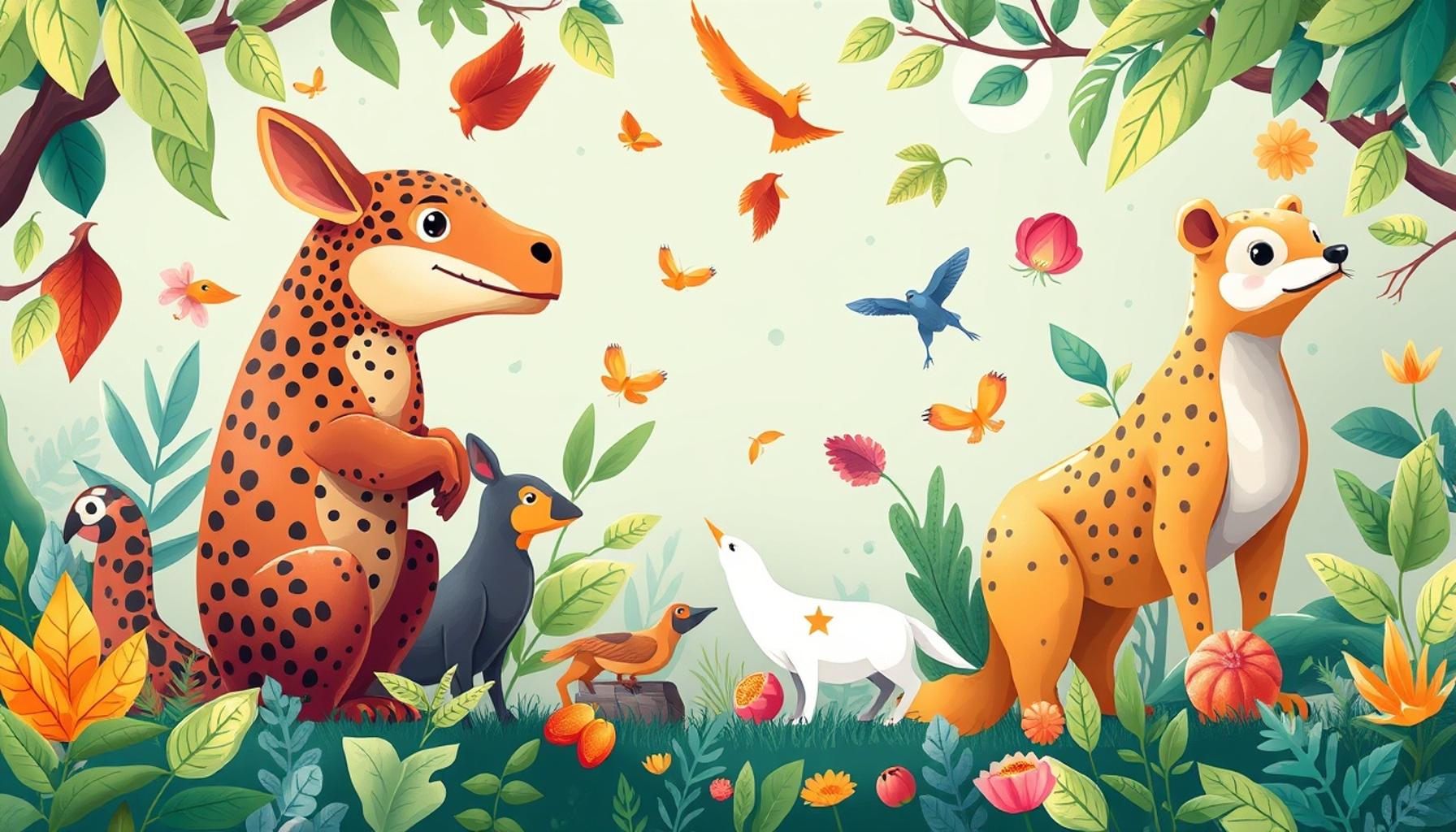
The Role of Enhanced Environments for Pets
Pets, much like humans, thrive in environments that stimulate their senses and encourage natural behaviors. Environmental enrichment plays a crucial role in shaping the well-being of our furry companions. This concept goes beyond mere play; it involves creating an atmosphere that promotes mental and physical activities tailored to the unique needs of different species. Whether it’s a playful pup or a curious cat, the right environment can significantly shape their happiness and health.
Numerous forms of enrichment can lead to noticeable changes in pet behavior. For instance, consider the joy of interactive toys. These tools are designed not only to entertain but also to challenge pets cognitively. Toys that dispense treats as pets solve puzzles not only engage them but also encourage problem-solving skills. Another popular variant is laser pointers for cats, which allow them to expend energy while honing their hunting instincts. Such toys stimulate the mind, keeping pets engaged and preventing boredom.
In addition to toys, creating physical activities is essential for promoting a healthy lifestyle. Dogs, for example, benefit from spaces where they can run, jump, and explore. Setting up an obstacle course in the backyard or taking them to a local dog park can transform their daily routine, leading to better physical fitness and reducing unwanted behaviors often stemming from pent-up energy. Cats, too, need space to explore and climb; cat trees or shelves can encourage them to leap and perch, tapping into their natural climbing instincts.
Sensory experiences also play a pivotal role in enriching an environment. Introducing varied textures, scents, and sounds can engage a pet’s instincts in ways that benefit their overall well-being. For instance, providing different types of scratching posts for cats not only caters to their natural scratching behaviors but also stimulates their sense of touch. Incorporating items like fresh herbs or catnip can awaken their olfactory senses, creating a more interesting environment. Similarly, background sounds like those found in nature can lower stress levels, creating a calming atmosphere.
Studies indicate that pets exposed to enriched environments demonstrate reduced stress and anxiety levels. Additionally, they tend to exhibit more positive social interactions and engage in less destructive behaviors. This makes it essential for pet owners to understand how fostering an engaging environment can enhance their pets’ quality of life. Enriched environments can effectively combat issues like separation anxiety in dogs or litter box aversion in cats, leading to happier, well-adjusted companions.
Understanding the significance of environmental enrichment opens doors to improving your pet’s behavior and emotional health. By diving deeper into effective strategies and recognizing their individual needs, we can promote happiness and health in our beloved pets. Ready to explore the fascinating world of environmental enrichment? Delve into the various strategies and learn how you can transform your pet’s life, nurturing a happier and more well-adjusted companion!
DISCOVER MORE: Click here for tips on a smooth pet introduction</p
Understanding Different Forms of Environmental Enrichment
When discussing environmental enrichment, it is essential to consider the varied forms that can significantly influence pet behavior. Each pet species has distinct needs that can be met through tailored enrichment strategies. By dissecting these elements, pet owners can create environments that not only cater to their pets’ physical demands but also foster emotional and cognitive growth.
One prominent aspect of environmental enrichment is the provision of play-based activities. Interactive play plays a crucial role in shaping behavioral patterns. Dogs, for instance, thrive on activities such as fetch or tug-of-war, which stimulate both their minds and bodies. For cats, engaging in play with feather wands or laser pointers not only satisfies their hunting instincts but also enhances their agility and coordination. These play-based interactions also strengthen the bond between pets and their owners, leading to a more harmonious living environment.
Another vital component is the incorporation of exploratory opportunities. Pets are inherently curious creatures, and providing them with ways to explore their surroundings can greatly impact their mental stimulation. Setting up scavenger hunts for dogs, where treats are hidden around the house or yard, can spark their curiosity and encourage active exploration. For cats, creating a safe outdoor enclosure or a window perch can satisfy their instinctual desire to observe the outside world, providing mental engagement while keeping them safe.
Additionally, socialization is a key factor that influences behavior positively. Introducing pets to diverse environments and allowing them to interact with other animals can bolster their confidence and mitigate fear-based behaviors. For example, enrolling dogs in group training classes or doggy daycares fosters social skills, reducing hyperactive or anxious tendencies. Cats, too, can benefit from gradual introductions to other feline companions, helping them to develop healthy social behaviors.
- Interactive Toys: Encourage problem-solving and mental stimulation.
- Physical Activities: Promote fitness through play and exploration.
- Exploratory Opportunities: Cater to curiosity and natural instincts.
- Socialization: Foster confidence and reduce anxiety through interaction.
The psychological impact of these enriched environments cannot be understated. Pets in stimulating settings often exhibit fewer behavioral issues, such as aggression, anxiety, or compulsive behaviors. The results of numerous studies highlight the importance of engaging pets mentally and physically to deter destructive tendencies that stem from boredom and frustration.
As pet owners, it’s vital to recognize that offering an enriched environment is not just a luxury but a necessity for the holistic development of our pets. Taking the time to understand and implement various enrichment strategies can lead to happier, healthier, and more well-adjusted companions. The key lies in observing their preferences and adapting their surroundings accordingly, paving the way for a deeper connection and mutual satisfaction.
Understanding the importance of environmental enrichment is crucial for pet owners who wish to enhance their pets’ quality of life. Enrichment can significantly impact the physical and psychological well-being of pets, from dogs to cats and even small animals like hamsters. By providing a stimulating environment, pet owners can nurture positive behaviors and reduce stress-related issues.
One of the main advantages of environmental enrichment is the minimization of stress and anxiety. Pets that are given opportunities to explore, play, and engage their senses tend to display fewer signs of fear-based behaviors. For instance, dogs that participate in agility training or interactive games are less likely to chew on furniture or bark excessively. This leads to a more harmonious household, where both pets and owners can enjoy their time together. Additionally, positive interactions enabled through enrichment can fortify the bond between pets and their owners, promoting emotional health.
Another significant benefit is the enhancement of cognitive skills through mental challenges. Activities such as puzzle feeders or training exercises can stimulate a pet’s mind, leading to improved problem-solving abilities. This can be particularly beneficial in preventing boredom, which is a common cause of destructive behavior in pets. Research has shown that pets engaged in mentally stimulating activities display greater focus and may even learn new commands more quickly. By incorporating various forms of enrichment into a pet’s daily routine, owners can support their pets’ innate curiosity and exploratory behaviors, ultimately leading to happier and more well-adjusted companions.
| Advantages | Benefits |
|---|---|
| Reduction of Stress | Pets show fewer signs of anxiety and fear, improving overall behavior. |
| Enhanced Cognitive Skills | Mental challenges lead to better problem-solving abilities and reduced boredom. |
Pet owners looking to enrich their pets’ environments should consider a mix of physical and mental challenges to cater to their specific species and individual preferences. Understanding the dynamics of how enrichment influences behavior is essential for fostering a balanced and fulfilling life for our beloved pets.
LEARN MORE: Click here to discover the impact of adoption on community well-being</
The Role of Sensory Stimulation in Environmental Enrichment
In addition to play-based activities and socialization, sensory stimulation is a critical aspect of environmental enrichment. Pets benefit immensely from engaging their senses, as it promotes not only mental agility but also emotional well-being. The concept of sensory environments allows pet owners to leverage sight, sound, smell, and even touch to create a dynamic living space for their companions.
For dogs, implementing varied auditory stimuli can be particularly effective in combating boredom and encouraging positive behavior. Sounds of nature, such as birds chirping or gentle water flowing, can keep their sharp ears engaged and stimulated. There are even sound systems designed specifically for dogs, offering a range of peaceful music tracks that can help reduce anxiety, particularly during stressful events such as thunderstorms or fireworks. In contrast, cats possess a finely tuned sense of hearing; therefore, interactive sound-based toys that mimic prey sounds can ignite their predatory instincts, providing both fun and exercise.
Additionally, a pet’s sense of smell plays an undeniable role in enhancing their environment. For dogs, scent-based games, such as “find the treat,” can stimulate their olfactory senses in a rewarding and engaging manner. Connecting this with their natural hunting instincts not only entertains them but also fosters a sense of accomplishment. Cats also benefit from olfactory enrichment; incorporating catnip toys or herbal mixtures into their playtime can elicit joyful responses, making their experience more enjoyable. The psychological effects of satisfying these sensory needs often result in improved behavioral outcomes, such as reduced aggression and increased calmness.
Moreover, tactile stimulation should not be overlooked. Textures play an essential role in a pet’s ability to explore and learn about their environment. Providing diverse surfaces to interact with, such as soft beds, scratchers, or textured mats, invites pets to engage in important exploratory behavior. Dogs may delight in digging through a sensory box filled with sand or hay, while cats benefit from climbing structures that challenge their physical abilities and curiosity. Such tactile elements serve as natural outlets for their energy and frustrations, minimizing undesirable behaviors in the process.
- Auditory Stimulation: Utilizing soothing and engaging sounds to create a calming environment.
- Olfactory Enrichment: Scent-based activities to stimulate hunting instincts and reduce boredom.
- Tactile Variety: Incorporating various textures into the environment to encourage exploration and play.
The addition of visual stimulation further enhances the environment for pets. Brightly colored toys, moving objects, or even a simple bird feeder placed near a window can provide visual entertainment. Watching the outside world can offer a connection to nature that satisfies some of their instinctual drives. For both dogs and cats, a visually stimulating environment can help mitigate issues related to separation anxiety by keeping their minds engaged.
Ultimately, integrating multifaceted sensory elements in a pet’s environment not only enhances their quality of life but also strengthens the bond between pets and owners. By understanding how sensory stimulation influences behavior, pet owners can create enriching experiences that align with their pets’ natural instincts, resulting in well-rounded and happy companions.
DISCOVER MORE: Click here to learn about cutting-edge sensor technology for your pets’ health
Conclusion
In conclusion, environmental enrichment plays a pivotal role in shaping pet behavior, delivering numerous benefits that extend beyond mere entertainment. By engaging sensory stimulation—spanning auditory, olfactory, tactile, and visual experiences—pet owners can create an enriching environment that mirrors the complexity of a pet’s natural habitat. This multifaceted approach not only combats boredom but also fosters positive behaviors, helping to minimize issues such as anxiety and aggression.
Furthermore, enhancing your pet’s living space through varied interactions can lead to improved emotional well-being and cognitive development. For instance, incorporating elements like interactive toys or diverse textures invites exploration and curiosity, while stimulating music or nature sounds can alleviate stress during challenging moments. Cats and dogs alike thrive in environments tailored to their instinctual needs and individual personalities.
As awareness grows about the importance of environmental enrichment, pet owners are encouraged to explore innovative ways to enhance their companions’ lives, whether through DIY projects or specialized products available in the market. By prioritizing enrichment, we not only cultivate well-rounded, happy pets but also enrich our own lives through the deepened bond formed in the process.
Ultimately, the key takeaway is clear: creating an enriched environment fosters a harmonious relationship between pets and their owners, leading to a fulfilling and joyful companionship. As you consider the implications of environmental enrichment, remember that a happy pet is a well-stimulated pet—one that thrives both physically and emotionally.

Linda Carter
Linda Carter is a writer and pet care expert specializing in pet health, grooming, and wellness. With extensive experience helping pet owners create safe, loving, and enriching environments for their animals, Linda shares her knowledge on our platform. Her goal is to empower readers with practical advice and strategies to ensure their pets thrive and lead joyful, healthy lives.