
How Music and Ambient Sounds Influence Behavior During Pet Training
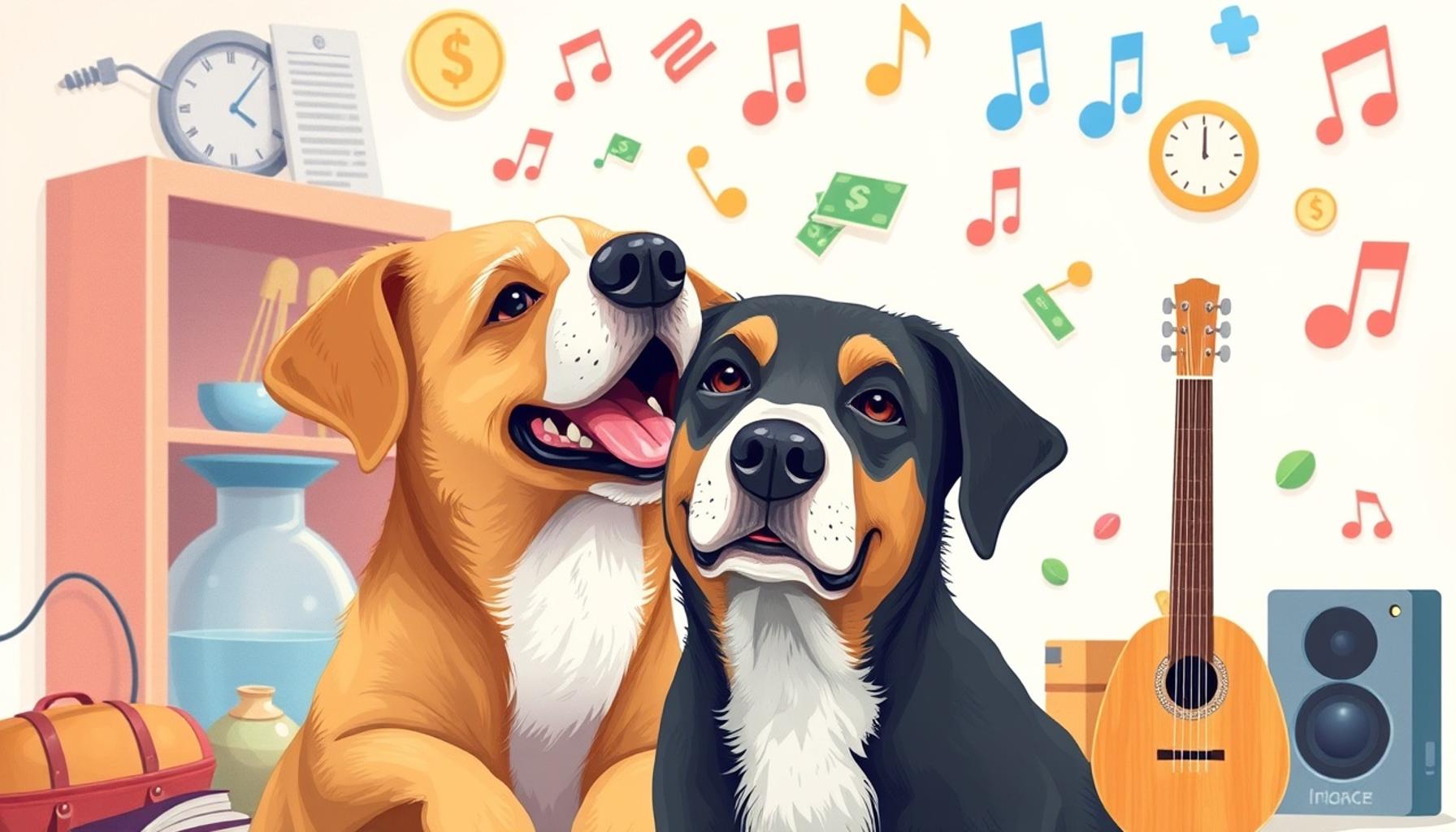
Exploring the Role of Sound in Shaping Pet Behavior
The connection between music, ambient sounds, and pet behavior is more significant than many trainers realize. Science suggests that auditory stimuli play a critical role in a pet’s ability to learn, respond, and behave during training sessions. By harnessing the power of sound, dog owners and trainers can transform the training experience for their furry companions, creating an environment that is not only conducive to learning but also enjoyable for pets.
This relationship between sound and behavior is underscored by various studies indicating how distinct types of music can evoke specific emotional responses in pets. For example, classical music has been shown to lower heart rates and induce a sense of calm. This soothing effect is particularly beneficial for anxious dogs that may struggle with the distractions of their surroundings during training. In contrast, upbeat tunes tend to spark enthusiasm and energy, encouraging pets to engage in play, which can enhance their motivation to participate in training activities.
Additionally, nature sounds, like birds chirping or flowing water, can work wonders in promoting relaxation and focus. Research supports the notion that these sounds help create a peaceful atmosphere, reducing stress levels and allowing for better concentration among pets, making it easier to learn commands or tricks.
The significance of ambient sounds in pet training cannot be overstated. For instance, while training a pet, white noise can effectively mask disruptive environmental sounds such as traffic or fireworks, providing distraction-free conditions. This is especially useful in neighborhoods with higher noise levels, where a pet might otherwise become agitated or distracted.
Moreover, soft rain sounds have been found to soothe nervous pets, creating a comforting backdrop that can help them feel secure during training. Many trainers have experienced the power of familiar human voices, which can reassure pets and enhance both focus and engagement during learning sessions. This psychological aspect of sound application makes a compelling case for customizing the auditory environment according to each pet’s preferences.
Furthermore, integrating sound into pet training extends beyond simple enjoyment; it represents a profound understanding of our pets’ needs. As we delve deeper into this fascinating topic, it becomes increasingly clear that sound is not merely a background element. Instead, it serves as an essential tool for effective pet training. By leveraging various sound types and understanding their interactive potential, we can lead to better training results and cultivate happier, more well-adjusted pets. Embracing this knowledge encourages pet owners and trainers to consider sound not just as an auxiliary element, but as a fundamental component of successful training strategies.
DISCOVER MORE: Click here to learn about the benefits and challenges of natural feeding for cats
The Impact of Different Soundscapes on Animal Learning
The auditory environment plays a pivotal role in shaping how pets respond during training sessions. Understanding the influence of different music genres and ambient sounds can significantly enhance the effectiveness of pet training techniques. As various studies have pointed out, the auditory stimuli can be tailored to meet the needs of different animals, ultimately leading to superior outcomes.
One of the most compelling aspects of sound in pet training is the varying effects of music styles. The type of music used can have dramatically different impacts on pet behavior. For example, while classical music has a calming effect, alternative genres like rock or pop may increase alertness or energy levels in some pets. This divergence encourages trainers to carefully consider their playlist while working with animals.
Music Genres That Impact Dog Training
- Classical Music: As previously mentioned, studies suggest that classical music can reduce anxiety levels in dogs, which is instrumental for training sessions that may otherwise provoke stress.
- Reggae and Soft Rock: These genres have been found to evoke positive emotional responses, promoting relaxation and improving focus.
- Upbeat Pop: Tunes with a faster beat can stimulate energy, motivating pets during exercise-based training or agility courses.
- Heavy Metal: This genre can cause increased anxiety and excitement in some dogs, which may hinder concentration and learning.
In addition to music, the presence of nature sounds has proven to be beneficial during training. Sounds such as flowing water, birdsong, or rustling leaves not only create a tranquil atmosphere but also resonate positively with animals, promoting relaxation and concentration. Research indicates that these organic sounds can help ease tension in pets, enabling them to focus more effectively on commands being given during training sessions.
Furthermore, the effective use of white noise has emerged as a key method for training pets in environments filled with distractions. White noise can effectively mask abrupt or disruptive sounds, such as traffic, sirens, or the neighbors’ loud activities. Not only does this create a distraction-free zone, but it can also foster a sense of safety and comfort. This aspect is especially vital for pets who may display anxiety towards loud noises.
Also noteworthy are the effects of familiar human voices. Research shows that pets respond positively to the sound of their owner’s voice. Consistent verbal cues delivered in a soothing tone can enhance trust and engagement in training. The familiar intonations of a loved one’s voice can also bridge the gap between instructions and emotional response, fostering a more conducive learning environment.
Overall, the science behind sound and its influence on pet training continues to evolve, encouraging pet owners to be more mindful of the aural landscapes they create. By understanding and applying the nuances of auditory stimuli, trainers can greatly improve the training experience for their pets, paving the way for a bond that is forged through effective communication.
| Category | Key Features/Characteristics |
|---|---|
| Type of Music | Different genres can evoke varied emotional responses from pets. Calm classical music has been shown to reduce anxiety. |
| Ambient Sounds | Nature sounds, such as birds chirping or water flowing, can create a soothing training environment, enhancing focus. |
| Consistency | Playing the same music or sounds during training aids in creating a routine, helping pets associate specific sounds with training. |
| Positive Reinforcement | Familiar and pleasant sounds can be used alongside treats and praise to create a positive environment, improving learning ability. |
Research shows that incorporating music and ambient sounds into pet training not only influences behavior but also enhances the connection between the trainer and pet. By understanding how different auditory stimuli affect animal psychology, trainers can harness this knowledge to create more effective training sessions. Music can replicate soothing environments that are less intimidating for pets, leading to better engagement and retention of commands. As we delve deeper into auditory influences, it’s evident that careful selection of soundscapes can transform training dynamics, fostering trust and security in pets during learning processes.
DIVE DEEPER: Click here to learn more about hypoallergenic diets for your pets</p
Utilizing Soundscapes for Enhanced Training Outcomes
While the influence of music and ambient sounds on pet training is becoming increasingly acknowledged, the role of soundscapes in an animal’s training environment is a nuanced subject that merits further exploration. The integration of these sound elements allows trainers to create a more tailored experience that caters specifically to the needs of their pets. Understanding how these soundscapes work can open new doors to more effective training methodologies.
The Role of Auditory Conditioning
Auditory conditioning, the process through which animals learn associations between sounds and specific outcomes, is a critical aspect of pet training. For instance, the use of particular melodies or sound cues in conjunction with rewards can create a positive feedback loop, reinforcing desired behaviors. This method has been implemented successfully in training programs for service and therapy animals, where specific sounds signal the need for certain actions or responses. Trainers can capitalize on this conditioning by systematically pairing specific tunes with rewards, establishing a consistent auditory signal connected to learning success.
Real-World Applications of Sound in Training
- Canine Good Citizen Program: Many trainers incorporate soothing background music during classes, resulting in improved focus and compliance from dogs undergoing evaluations for the Canine Good Citizen certification. This practice demonstrates the positive impacts of auditory stimuli on behavior.
- Therapeutic Sound Practices: Sound therapy is gaining traction within the pet training community. Utilizing low-frequency sound vibrations can address behavioral issues stemming from anxiety or fear, leading to more effective therapeutic interventions.
- Socialization Sessions: In group training settings, the use of ambient sounds such as soft music or nature sounds has been shown to encourage interaction among pets, fostering better social skills in a less stressful environment.’
The psychological underpinnings associated with these auditory adjustments further enlighten their importance. A study conducted at a US university revealed that animals exposed to certain types of music demonstrated lower heart rates and an elevated sense of calm compared to those without auditory input. This physiological response plays a significant role in ensuring that pets remain open and receptive to training, as stress or anxiety could impede their ability to learn effectively.
Creating the Optimal Sound Environment
For pet owners seeking to harness the power of sound in their training efforts, creating a balanced auditory environment is paramount. This involves more than just selecting the right music playlist; it also encompasses considerations of volume levels and acoustics. Background sounds too loud might overwhelm pets, while a lack of auditory stimulation may lead to disinterest. Striking a balance is essential, especially in environments with underlying distractions.
Furthermore, the introduction of interactive sound devices during training sessions has shown promise. These could range from toys that emit sound as pets engage with them, to devices that produce calming noise upon sensing a pet’s anxiety, thereby directly influencing the training experience. Such innovative tools not only keep pets engaged but reinforce the association between engaged behavior and auditory rewards.
Ultimately, the exploration of how music and ambient sounds influence behavior during pet training reveals limitless possibilities for enhancing both the training process and the emotional bonds between pets and their owners. By paying closer attention to the soundscape they create, trainers can foster a more enriching experience that caters to the unique sensitivities of their animals. In the evolving landscape of pet training, sound awaits as a crucial yet often overlooked tool for success.
DISCOVER MORE: Click here for insights on training rabbits and ferrets
Conclusion: The Symphonic Approach to Pet Training
As we dive deeper into the realm of pet training, it becomes increasingly clear that the integration of music and ambient sounds is not merely an enhancement but a foundational element that significantly shapes animal behavior. By employing auditory cues and tailored soundscapes, trainers can effectively harness the power of sound, turning it into a strategic tool for achieving desired outcomes. The research underscores that animals are responsive to their auditory environments, experiencing physiological changes that influence their readiness to learn. For instance, familiar melodies paired with positive reinforcement not only enhance engagement but also cultivate an atmosphere of calm and receptiveness.
The practical applications of sound are evident in various training environments, from fostering better socialization in group sessions to addressing behavioral issues through therapeutic sound practices. Sound’s profound impact on animal psychology offers a new frontier for creativity in training methods, enhancing both the experience and bond shared between pets and their owners. As trainers and pet owners adopt a more holistic approach, recognizing the significance of auditory elements in training, they unlock the potential for remarkable advancements in how we teach and understand our furry companions.
In conclusion, the exploration of how music and ambient sounds influence behavior during pet training reveals an exciting dimension of animal training that invites continuous research and experimentation. Future pet trainers should consider the soundscapes they create and their consequent effects, ultimately refining their methods to build more harmonious relationships with pets. By embracing sound as a dynamic component of training, we pave the way for innovative, effective, and empathetic practices that enrich the learning experience for pets across the United States and beyond.

Linda Carter
Linda Carter is a writer and pet care expert specializing in pet health, grooming, and wellness. With extensive experience helping pet owners create safe, loving, and enriching environments for their animals, Linda shares her knowledge on our platform. Her goal is to empower readers with practical advice and strategies to ensure their pets thrive and lead joyful, healthy lives.